
 By admin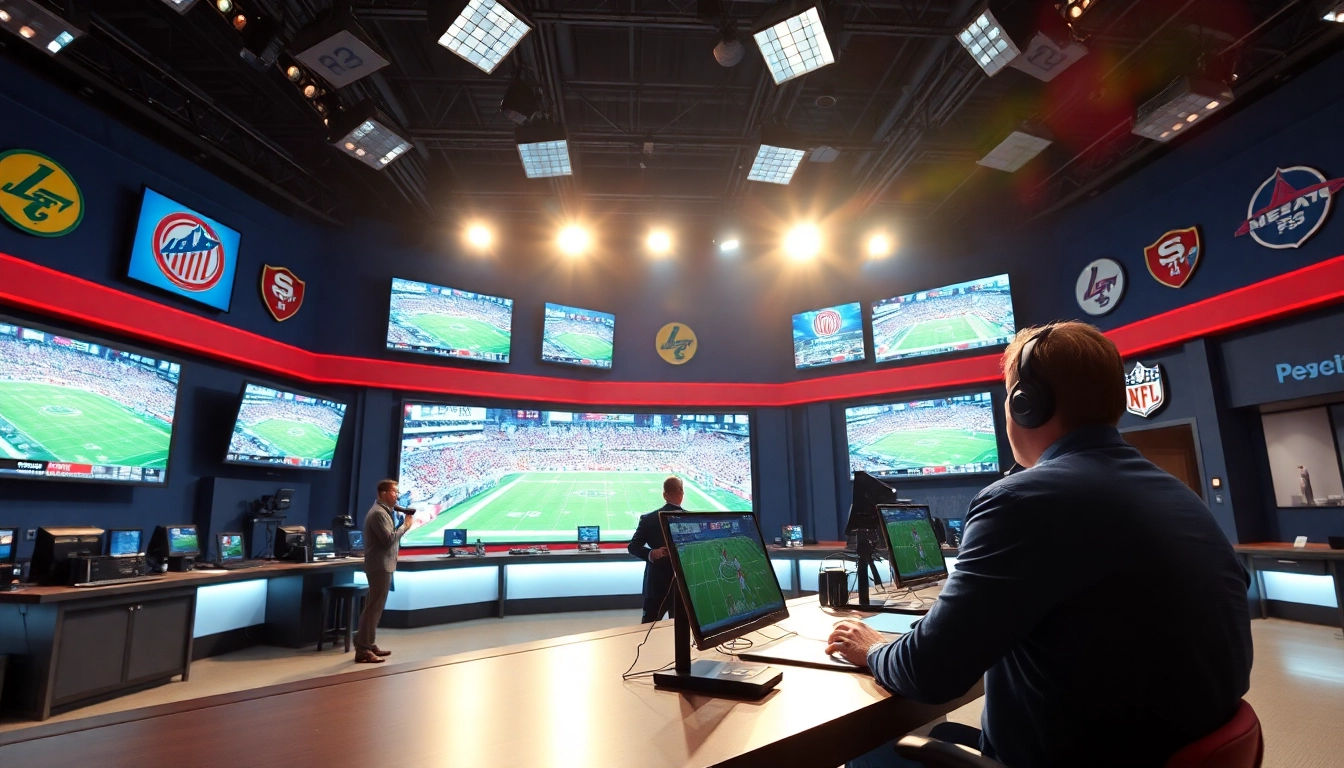
Introduction to Sports Broadcasting
Sports broadcasting is a dynamic industry that merges entertainment and information to deliver live sports events to diverse audiences across various platforms. As technology evolves, so too does the landscape of sports broadcasting, leading to a transformative experience for both creators and consumers. Understanding the essence of Sports Broadcasting provides insights into its historical development, the role of technology, and the key elements that contribute to effective broadcasts.
What is Sports Broadcasting?
Sports broadcasting encompasses the live transmission of sporting events, both on television and radio, as well as through digital platforms. It aims to provide real-time commentary, analysis, and coverage, allowing fans to connect with their favorite sports and athletes. This field combines various forms of media, including graphics, audio, and pre-recorded segments, to enhance the viewing experience.
History and Evolution of Sports Broadcasting
The origins of sports broadcasting can be traced back to the early 20th century when radio became a popular medium. The first-ever sports broadcast occurred in 1921, when a boxing match was aired on the radio. This pivotal moment laid the foundation for future broadcasts, leading to television becoming the dominant medium by the 1950s. The introduction of color television further revolutionized the industry, making sports more visually engaging and appealing.
With the advent of cable television in the 1980s and 1990s, dedicated sports channels emerged, providing 24/7 coverage and analysis. The internet played a crucial role in expanding access to sports broadcasting in the 21st century, leading to streaming services where viewers could watch events live on mobile devices and smart TVs, thus broadening the audience reach significantly.
The Role of Technology in Sports Broadcasting
Technology drives the evolution of sports broadcasting, enabling real-time updates, instant replays, and multi-camera angles that enhance the viewer experience. Innovations such as HD and 4K broadcasting have set higher standards for visual quality. Additionally, technologies like augmented reality (AR) and virtual reality (VR) are beginning to reshape the way audiences experience sports, allowing for interactive viewing experiences.
Furthermore, advancements in analytics and data science play a significant role in sports broadcasting. Broadcasters leverage data to provide insights and statistics that help fans better understand the game, enriching the overall broadcast quality.
Key Elements of Effective Sports Broadcasting
Understanding Audience Engagement
Effective sports broadcasting revolves around audience engagement, which requires a deep understanding of the target demographic. Broadcasters must deliver content that resonates with viewers’ interests and preferences. This can be achieved through interactive elements, such as real-time polls or social media integration, allowing viewers to participate actively.
Crafting Compelling Storylines
Creating compelling narratives is vital in sports broadcasting. Broadcasters should weave stories that enhance the connection between viewers and the athletes or teams involved. Personal anecdotes, historical context, and rivalries can make broadcasts more engaging. Storytelling turns a simple match into a dramatic affair that captivates audiences throughout the game.
Utilizing High-Quality Visuals and Sound
Visual and audio elements play a critical role in capturing and maintaining viewer interest. High-quality graphics, clear audio, and compelling replays contribute to a professional broadcast. Additionally, the use of drone coverage and on-field cameras provides unique perspectives that enhance the excitement of live sports.
Challenges Faced in Sports Broadcasting
Addressing Technical Difficulties
Despite advancements in technology, technical difficulties remain a significant challenge in sports broadcasting. Equipment malfunctions, signal interruptions, and software issues can disrupt a live broadcast. To mitigate these risks, broadcasters should have robust contingency plans in place, including backup equipment and trained personnel ready to manage emergencies.
Competing for Viewer Attention
With numerous entertainment options available, sports broadcasters must compete fiercely for viewer attention. To capture and retain audiences, it is essential to differentiate content with unique angles, quality analysis, and engaging commentary. Fostering a community among viewers through interactive features can also keep audiences connected and loyal.
Regulatory and Ethical Considerations
Broadcasting rights, intellectual property, and ethical reporting practices are crucial considerations in the sports broadcasting industry. Broadcasters must ensure compliance with legal requirements and respect the rights of athletes, teams, and organizations. Ethical journalism should lead the way in creating fair and balanced coverage, promoting transparency and honesty.
The Future of Sports Broadcasting
Emerging Technologies in Sports Broadcasting
As technology continues to advance, new opportunities for innovation in sports broadcasting will emerge. Technologies such as 5G networks will enhance streaming capabilities, allowing for high-quality broadcasts without delay, regardless of the viewer’s location. The increasing use of artificial intelligence in data analysis and personalized content delivery will further revolutionize the viewer experience.
Changing Viewer Demographics
Viewer demographics are changing, with younger audiences increasingly seeking sports content through digital platforms. Traditional television audiences are declining, prompting broadcasters to adapt by embracing online streaming, social media engagement, and on-demand viewing options. Understanding and catering to these evolving preferences will be key for the future success of sports broadcasting.
Impact of Streaming Services
The rise of streaming services has changed the sports broadcasting landscape dramatically. With exclusive content and original programming, these services are attracting significant viewer bases, challenging traditional broadcasting methods. Broadcasters must evolve their strategies to incorporate streaming capabilities, ensuring they remain competitive in the rapidly changing environment.
FAQs About Sports Broadcasting
What is the primary goal of sports broadcasting?
The primary goal of sports broadcasting is to provide live coverage of sporting events while informing and entertaining viewers through analysis, commentary, and storytelling.
How has technology changed sports broadcasting?
Technology has dramatically transformed sports broadcasting by introducing high-definition visuals, interactive features, data analytics, and streaming capabilities, enriching viewer experience.
What are the key skills needed for a sports broadcaster?
Key skills include strong communication, in-depth sports knowledge, the ability to engage audiences, adaptability to evolving technologies, and familiarity with various media platforms.
How do sports broadcasters engage audiences effectively?
Effective audience engagement is achieved through interactive content, compelling storytelling, and utilizing social media platforms to foster viewer participation and loyalty.
What future trends can we expect in sports broadcasting?
Future trends in sports broadcasting include advancements in AI, more personalized viewer experiences, increased emphasis on streaming services, and enhanced use of immersive technologies like VR.