
 By admin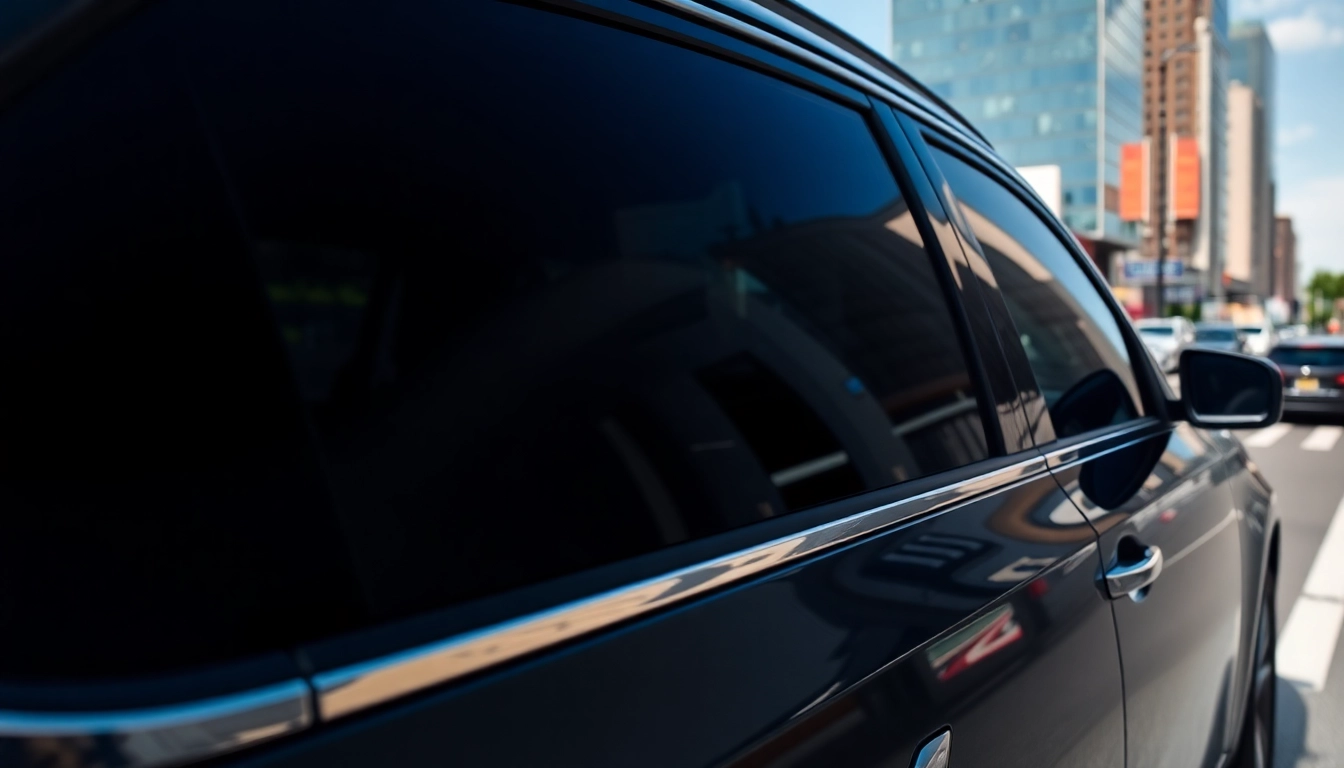
Understanding Window Tinting Basics
What is Window Tint?
Window tint refers to a thin layer of film that is applied to vehicle windows to reduce the amount of visible light, UV rays, and heat that enters the vehicle. It can range in darkness, material, and functionality, providing drivers with enhanced comfort, privacy, and aesthetic appeal. Typically made from polyester, window tint can be effective for various types of vehicles, including cars, trucks, and SUVs.
Benefits of Window Tinting
The advantages of window tinting extend beyond mere aesthetics. Some key benefits include:
- UV Protection: High-quality window tint can block up to 99% of harmful ultraviolet rays, protecting both passengers and the vehicle’s interior from sun damage.
- Heat Rejection: Window tint effectively reduces interior temperatures, leading to a more comfortable ride and decreased reliance on air conditioning.
- Increased Privacy: Tinted windows deter prying eyes, providing an added level of security for belongings left inside the vehicle.
- Glare Reduction: Tints help reduce glare from the sun and headlights, enhancing visibility and driving comfort.
- Enhanced Aesthetic Appeal: A well-tinted vehicle can look more polished and visually appealing, giving it a sleek, unified appearance.
Types of Window Tint Products
There are several types of window tint products available, each designed to meet specific needs:
- Dyed Window Tint: This is an affordable option that offers a basic level of heat and glare reduction, mainly by adding color to the glass. However, it does not offer significant UV protection.
- Metalized Window Tint: These tints incorporate small metallic particles that reflect heat away from the vehicle. They are durable and provide excellent privacy but can interfere with electronic devices.
- Carbon Window Tint: Made with carbon particles, this tint provides a high level of UV rejection while maintaining shatter-resistance and reducing glare.
- Ceramic Window Tint: This premium product uses advanced ceramic technology to provide maximum UV protection, heat resistance, and visibility without interfering with device signals.
The Process of Window Tinting in Chattanooga
Preparation Steps for Tint Application
Before applying window tint, there are several preparation steps to ensure a successful application:
- Choose the Right Type of Tint: Consider factors like UV protection, privacy, and local regulations when selecting window tint.
- Clean the Windows: Thoroughly clean the windows with a mixture of water and vinegar or a specialized window cleaner to remove dust, dirt, and oils.
- Measure and Cut the Tint: Precise measurements are taken to cut the tint film according to the size of each window, ensuring a perfect fit.
- Prep the Surface: After the tint is cut, the adhesive side is carefully prepared for application, which may involve spraying a solution on the film.
Cost Factors for Window Tint Chattanooga
The cost of window tinting can vary greatly based on several factors:
- Type of Tint: Higher-end materials like ceramic are more expensive compared to dyed options.
- Vehicle Size: Larger vehicles require more materials and installation time, increasing the overall cost.
- Quality of Installation: Professional installation typically costs more than DIY, but it ensures a better finish.
- Local Regulations: Understanding any additional legal requirements may affect final costs.
Post-Application Care Tips
Proper care after window tint application is crucial for achieving the longest lifespan:
- Allow the tint to cure for at least a few days before rolling down windows.
- Use a gentle cleaning solution or microfiber cloth to prevent scratching and damage.
- Avoid using ammonia-based products as they can degrade the tint over time.
- Be cautious with window shades or shades during the first few weeks of application.
Choosing the Right Window Tint for Your Car
Factors to Consider: UV Protection and Privacy
When choosing a window tint, consider both UV protection and privacy needs:
- UV Protection: Prioritize window tints that block a high percentage of UV radiation to ensure maximum protection for both passengers and the vehicle.
- Privacy Levels: Balance privacy requirements with visibility needs, as darker tints provide more privacy but can restrict visibility.
Legal Regulations for Window Tinting in Chattanooga
In Chattanooga, specific laws govern window tinting, which include:
- VLT (Visible Light Transmission) Levels: The front windshield must allow at least 30% light to pass through, and front-side windows must meet similar criteria.
- Back Windows: There are no restrictions for back windows, allowing for maximum tint density.
- Reflectivity: States often have regulations for how reflective window film can be.
Comparing Various Tint Shades
Selecting a tint shade involves more than aesthetics; factors include:
- Visibility: Lighter shades maintain better visibility, especially at night.
- Heat Reduction: Darker tints may provide more heat rejection but can create an enclosed, hot feeling if too dark.
- Aesthetic Preferences: Personal style should also play a role in tint selection, contributing to the overall look of the vehicle.
Common Misconceptions About Window Tint Chattanooga
Dispelling Myths: Heat Resistance vs. Privacy
A widely held belief is that darker tints provide better heat resistance. However, the effectiveness of heat rejection often depends on the type of film rather than just the shade. Ceramic tints, for instance, can block heat without being overly dark, offering both comfort and appearance.
Does Tinting Affect Visibility?
Many assume that darker tints significantly harm visibility. While it may reduce light entry, quality tints are designed to maintain adequate visibility, especially in well-lit environments. It’s all about selecting the right shade and quality of film.
Maintenance Myths: Cleaning and Durability
Some believe tinted windows should never be cleaned. In reality, using the right products and techniques will ensure that the tint remains intact and clean without damaging it. Regular cleaning helps maintain clarity and longevity.
FAQs About Window Tint Chattanooga
How long does window tint last?
Quality window tint can last 5 to 10 years depending on maintenance and exposure.
Can I legally tint my car windows in Chattanooga?
Yes, but there are specific regulations regarding allowable tint levels and reflectiveness.
Does window tint reduce heat inside my vehicle?
Yes, window tint effectively blocks UV rays and can significantly reduce heat entering the vehicle.
How much does window tinting cost?
Costs vary based on vehicle type and tint quality but generally range from $200 to $800.
Is window tinting reversible?
Yes, window tint can be removed if desired, although it may require professional help.
For anyone considering enhancing their vehicle’s comfort and aesthetics, window tint Chattanooga offers numerous benefits, making it a worthwhile investment.